What makes a solo player a real menace in Rust?
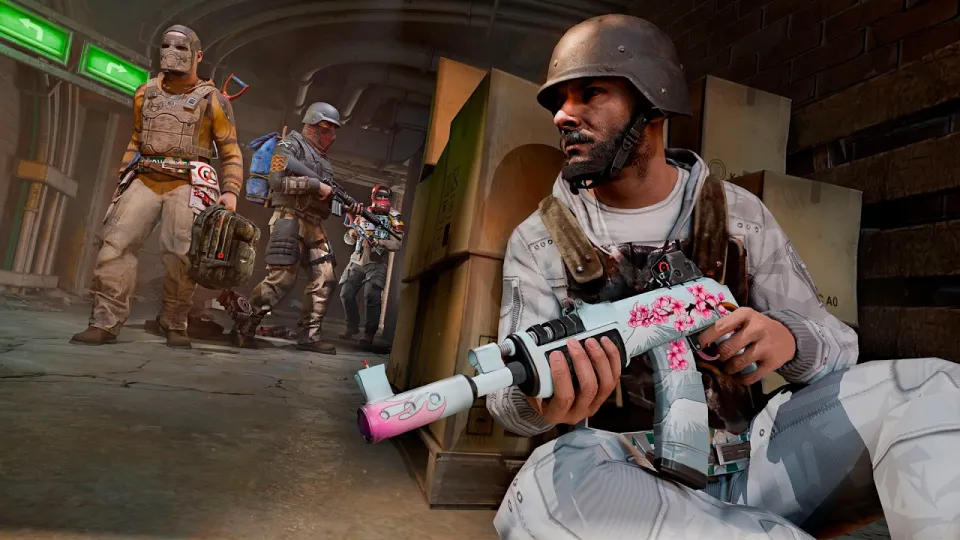
Video: THE SOLO MENACE – Rust
Want articles like this for your own video to promote it on YouTube and Google? Order them through the Telegram bot @sat_sit_bot. The bot writes and publishes the articles itself (with your YouTube video embedded) on popular topical websites (no ads). Your first 50 articles are free.
· based on the channel SPiiCY
A solo player becomes a menace in Rust by refusing to fight the way big groups expect: hiding progression inside compact, layered bases, farming quietly off-peak, and turning every raid against them into a revenge raid on the attacker's own front door. One player cannot out-number a zerg, but they can out-think it, and that is exactly the run SPiiCY documents in his solo gameplay video. Players who want the same edge can grab the RustEasy bonus and registration through SPiiCY's link before their next wipe.
Why a solo run in Rust is harder than it looks
Solo Rust is a different game from clan Rust because every resource has to be earned by one pair of hands. A zerg can split farming, building, scrap running and roaming across six or more players at once, while a solo has to choose one job at a time and accept that the other three are not happening. That trade-off defines everything: how fast you reach tier two weapons, how much upkeep you can afford, and how exposed your base is while you are offline.
The result is that solo progression is a game of timing rather than raw speed. Wipe day is chaos, so the first hours are about securing a small footprint and a sleeping bag network instead of a big base. Mid-wipe is about scrap and blueprints. Late wipe is when the solo player's real advantage appears, because large groups get lazy, stop checking their surroundings, and leave loot in rooms they assume nobody will reach.
The menace mindset: revenge raids and psychological pressure
A revenge raid is the single most effective weapon a solo player has, because it converts a loss into a target. When a group blows into your base, they expect you to rebuild quietly or quit the server; instead, the menace approach is to note their names, their base location and their online hours, then come back with satchels or C4 when their core members are asleep.
Practical steps for running this playstyle:
- Record everything. Screenshot the raid, the attackers' names and any clan tags so you can identify them later on the server.
- Scout their base the same night. Look for soft-side walls, unsecured doors, and gaps in their external walls that a solo can exploit with a small raid budget.
- Strike during their downtime. A group of eight is only strong when it is awake; a two-hour window at 4 a.m. is worth more than any weapon.
- Take only what you can carry. The goal is humiliation and profit, not a full base takeover you cannot hold.
This is why viewers describe the playstyle as being a menace to society rather than simply being good at PvP: the damage is psychological as much as material.
Base design and trap bases for one player
The base is the solo player's force multiplier, and the most common request under solo Rust content is for a build tutorial. A good solo base does three things at once: it hides loot behind multiple layers, it forces raiders to spend more explosives than the loot is worth, and it gives the owner a safe angle to shoot from during an online defence.
Trap bases take this further. A trap base baits a raider into a corridor, a drop or a turret-covered room, then punishes them with something cheap and lethal. For a solo, the value is not the kill itself but the cost exchange: a few hundred scrap of traps versus a full kit and a stack of explosives. Compact footprints, honeycomb walls, and a shooting floor above the loot room are the standard answers, and the design matters more than the size.
Progression from wipe day to raid defence
Progression for a solo follows a predictable arc, and planning around it beats reacting to it. The early phase is about a small starter base, a bag in every nearby monument, and enough scrap for a workbench and key blueprints. The middle phase is where most solos die: it is tempting to build big, but a large base with high upkeep is a liability when one player has to farm it alone.
The late phase is raid defence. By then the solo has tier two or tier three gear, a defensible base and, crucially, knowledge of who the neighbours are. Defending a raid as a solo is about positioning and information: knowing which wall is being hit, holding an angle that forces the raiders into a choke, and using the base's own traps rather than open-field PvP. Winning the defence is not required; making the raid cost more than it returns is.
Typical questions from the Rust community
Solo players repeatedly ask the same practical things, and the answers are consistent. The first is about servers: high-population servers feel dead for roaming because most players are inside bases or grouped in clans, so solos often do better on medium-pop or staggered-wipe servers where the map is less saturated.
The second is about performance. Large fights and big bases tank frame rates, which is why creators point to FPS tools such as Hypertune to keep the game smooth during raids. The third is about base builds: if a design looks impressive on screen, the assumption is that a tutorial exists, and creators usually keep those builds behind a membership. The fourth is simply about confidence, since solo players lose far more fights than they win and progress comes from the losses.
Tools and links from the run
All the resources referenced around this solo gameplay are collected here:
- RustEasy bonus and registration
- SPiiCY's Patreon membership with base design tutorials
- Hypertune for better FPS
- Patreon join page
- SPiiCY's Discord
The solo menace summarised
Playing solo in Rust is not a handicap so much as a different win condition: survive longer than the groups expect, make every raid against you expensive, and answer aggression with a revenge raid of your own. The formula in SPiiCY's run is compact base design, patient progression, and a willingness to hit back at the worst possible moment for the other side. If you want to try it, start with a small footprint, a bag network and a shortlist of names, then use the RustEasy sign-up through SPiiCY's link to get set up before the next wipe. The full breakdown is available on the SPiiCY channel, where solo runs, raid defences and base tutorials are published regularly.
Key takeaways
- Solo Rust means one player against clans and zergs that can field six or more members on the same server.
- Revenge raiding is the practice of tracking down the group that raided you and hitting their base while they are offline or distracted.
- Trap bases and layered base designs are the main force multipliers a solo player has against larger groups.
- SPiiCY's solo run was published on 24 August 2026 and is built around progression from wipe day to raid defence.
- FPS tools such as Hypertune are commonly used by Rust creators to stabilise frame rates during large fights.
Questions & answers
How does a solo player survive against zergs in Rust?
By avoiding fair fights and choosing when to engage. A solo should farm off-peak, build a compact base with layered walls and traps, and use revenge raids on the attackers' base during their downtime rather than trying to win open-field fights against six or more players.
What is a revenge raid in Rust?
A revenge raid is when a player who has been raided tracks down the attacking group and blows into their base later, usually when most of the group is offline. For a solo it is the cheapest way to make raiding you a losing proposition, because the cost falls on the larger group's stored loot.
Why do solo players prefer certain servers?
High-population servers concentrate players into clans and large bases, so roaming feels empty for a lone player. Medium-population or staggered-wipe servers leave more room to farm, scout and build without running into a full group every five minutes.
Do you need a base design tutorial to play solo?
It helps considerably. A solo base has to protect loot with fewer resources than a clan base, so layered honeycomb, a shooting floor and trap corridors do the work that extra players would otherwise do. Creators such as SPiiCY keep full build tutorials behind their membership.
Source: THE SOLO MENACE – Rust · Markdown version